|
Parameter |
Specification |
|
Product model |
AP-YC2902 |
|
Ion balance |
|
|
Measuring range |
0–1000 V |
|
Measurement accuracy |
1 V for < 20 V; ±5 % for > 20 V |
|
Minimum display unit |
1 V |
|
Sampling period |
About 1 ms |
|
Recommended installation distance |
At least 50 mm from ionizing fans and ionizing bars |
|
Temperature |
|
|
Measuring range |
0 to +50 °C |
|
Minimum display unit |
0.1 °C |
|
Sampling period |
0.5 s |
|
Humidity |
|
|
Measuring range |
10 % to 85 % RH |
|
Minimum display unit |
1 % RH |
|
Sampling period |
0.5 s |
|
Environmental tolerance |
|
|
Ambient temperature |
0 to +50 °C |
|
Relative humidity |
10 to 85 % RH (non-condensing) |
|
General |
|
|
Indicator light |
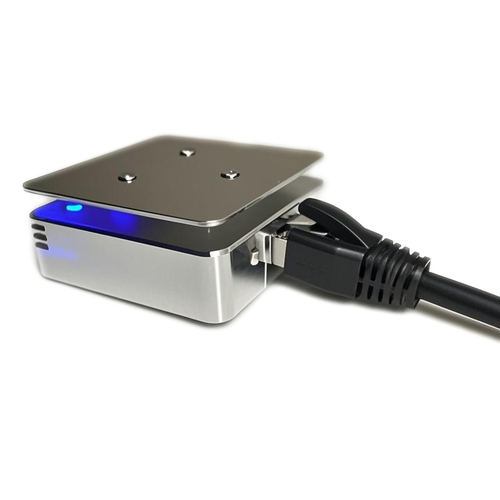
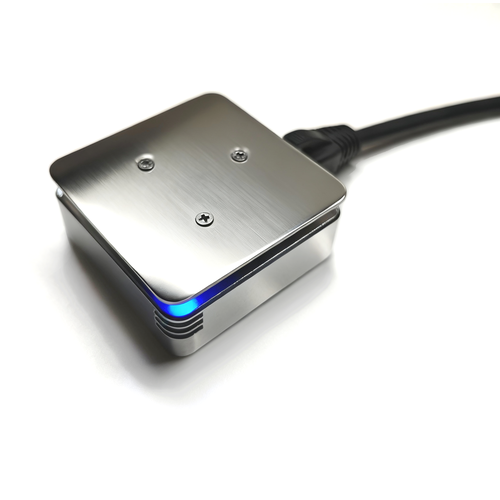
Blue, steady on — preheating · Green, steady on — operating · Red, flashing — alarm |
|
Material |
Aluminum, stainless steel, PVC, PTFE |
|
Net weight |
About 30 g |
Ionizer qualification methods such as ANSI/ESD STM3.1 and IEC 61340-4-7 judge an ionizer on offset voltage — the residual balance the ionizer leaves on a plate — in a window of a few tens of volts, commonly ±35 V for critical ESD-protected areas. A sensor that only resolves 10 V cannot tell a 35 V failure from a 30 V pass.
The AP-YC2902 measures 1 V below ±20 V and ±5 % of reading above it, and displays down to 1 V. That is enough resolution to trend a balance value, to see an emitter cleaning take effect, and to tell the difference between a margin that is shrinking and one that is already gone.
|
Use with care: confirm the applicable limit in your own ESD control plan before using any single reading as a pass/fail record. |
At roughly 1 ms per balance sample, the sensor is not averaging away the short excursions that a handheld meter misses. Temperature and humidity refresh every 0.5 s on separate channels, so an unexplained shift in balance can be checked against a simultaneous shift in ambient conditions.
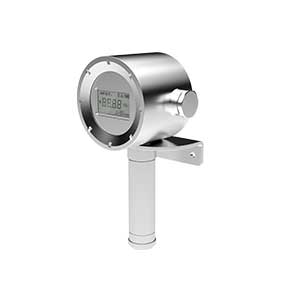
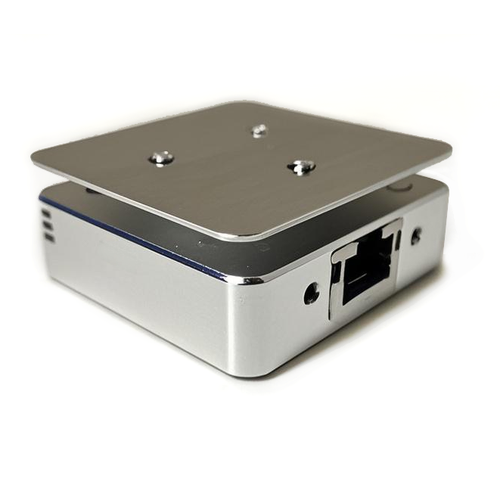
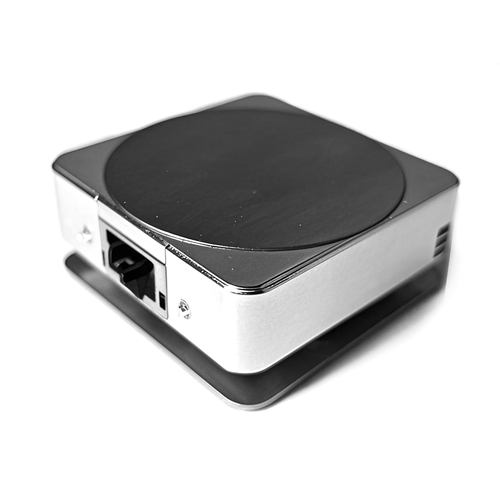
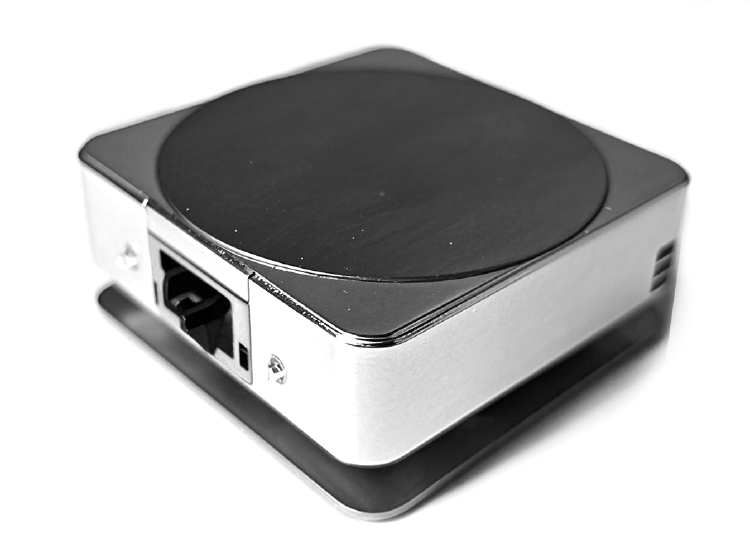
The sensor measures the field in front of its sensing plate. Fitting it at least 50 mm from an ionizing fan or ionizing bar keeps the plate out of the ionizer's own near field and puts the measurement closer to the plane where the product actually sits. Mount it at the workpiece plane, facing the ionizer, with the sensing plate unobstructed.
|
Pin |
Wire color |
Signal |
Function |
|
1 |
Orange |
VCC |
+24 VDC |
|
2 |
White / Orange |
VCC |
+24 VDC |
|
3 |
Blue |
RS485-B |
RS485 data B |
|
4 |
White / Blue |
RS485-A |
RS485 data A |
|
5 |
Green |
GND |
Ground |
|
6 |
White / Green |
GND |
Ground |
|
7 |
Brown |
VTH |
Sensor threshold alarm output |
|
8 |
White / Brown |
ACT |
Sensor power-on indicator |
|
9 |
— |
PE |
Metal shield / protective earth |
|
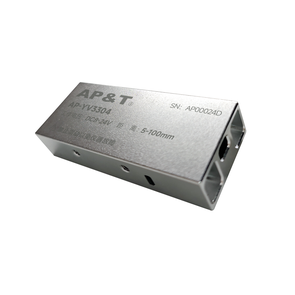
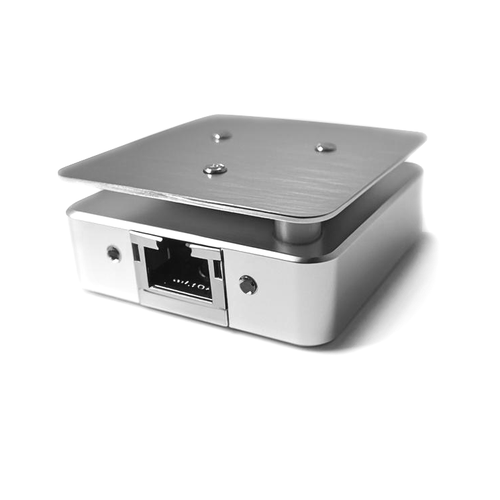
Do not connect the sensor to a standard 802.3 Power-over-Ethernet switch. Power is a dedicated 24 VDC feed on pins 1 and 2, and RS485 occupies pins 3 and 4; use the 24 VDC 2 A adapter and the shielded cable supplied with the unit. |


 Price